350 Seats Would Break the Duma, Not the Kremlin: The Real Constitutional Math Behind Russia's Opposition Fantasy
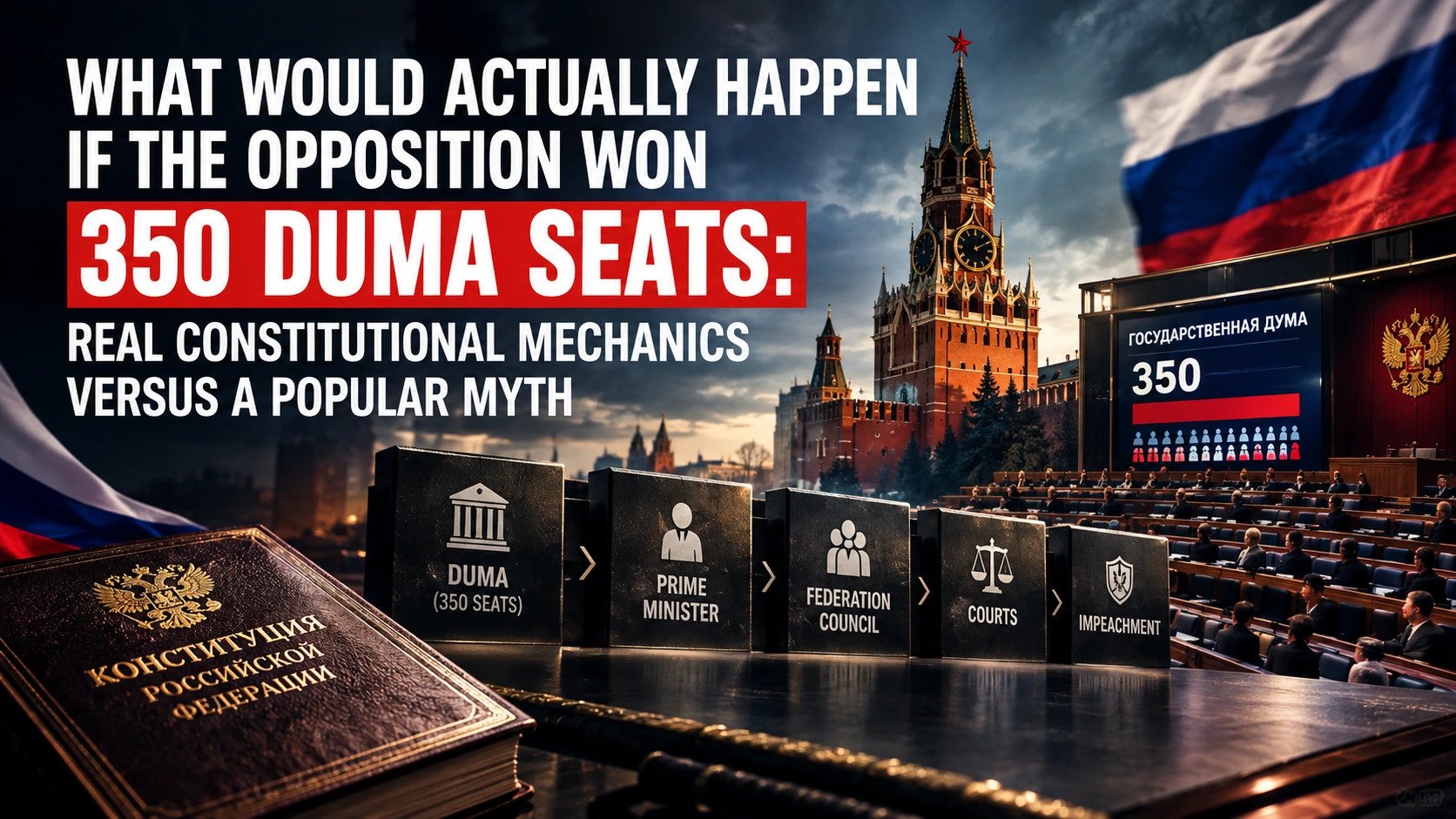
An analysis of Russia's constitutional structure reveals that even a Duma supermajority would create a powerful legislature but lacks the mechanisms to unilaterally remove the president or overhaul institutional structures without broader consensus.
The Scenario and Current Electoral Landscape
A popular hypothetical suggests an opposition party could win a constitutional supermajority—350 seats—in Russia's State Duma, leading to a dramatic confrontation with the president, possibly culminating in impeachment proceedings. This scenario, while not a forecast, serves as a stress test for Russia's constitutional framework.
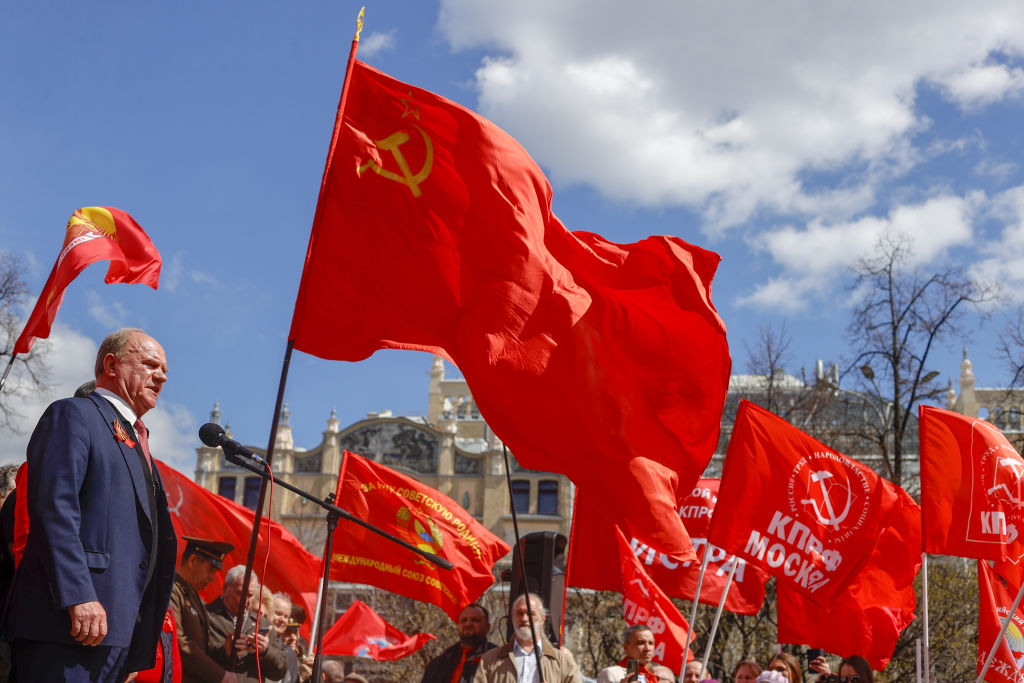
On September 9, 2026, just eleven days before the parliamentary elections, PolitPro's Election Trend—which aggregates data from all major Russian polling institutes—projected United Russia (YeR) securing 235 seats, the Communist Party (KPRF) 70 seats, LDPR 64 seats, New People 54 seats, and A Just Russia 27 seats. United Russia and its coalition were shown to hold a solid majority. Election models estimated a 91% likelihood of United Russia winning an outright majority, with virtually no chance of a KPRF landslide. Similar projections came from a PolitPro Monte Carlo simulation conducted on September 6. These figures underscore that scenarios envisioning KPRF with 350 seats are far outside any realistic projection, making them useful mainly for examining institutional limits rather than predicting actual outcomes.
Constitutional Math: What 350 Duma Seats Allow
Russian constitutional mechanisms operate on explicit vote thresholds. Achieving 350 seats in the Duma would provide:
- A simple Duma majority (226 of 450).
- A two-thirds Duma majority (300 of 450).
- The ability to approve or reject a prime minister (simple majority required).
- The authority to bring an impeachment charge (300 of 450).
However, removing a president requires a two-thirds vote in the Federation Council, as well as rulings from the Supreme Court and the Constitutional Court—not Duma votes. Thus, while a 350-seat Duma could initiate impeachment, it could not complete the removal process by itself. Two of the four steps in Article 93's removal procedure fall beyond the Duma's influence, regardless of its majority.
Power tends to corrupt, and absolute power corrupts absolutely.
PM Appointment Dynamics Under the 2020 Constitution
If the Duma were to achieve a 350-seat opposition majority, the immediate point of contention would be over the prime minister's appointment. According to the amended constitution, the Duma's approval is necessary for the prime minister nominee. The president cannot override a nominee the Duma has already approved, giving the Duma significant leverage.
Previously, if the Duma rejected a nominee three times, dissolution of parliament was mandatory. Since the 2020 amendments, the president may choose not to dissolve the Duma after three rejections, making dissolution discretionary. For deputy prime ministers and ministers outside the security or foreign policy portfolios, the president can appoint them directly if the Duma repeatedly rejects the PM's nominees.
These changes mean that a 350-seat opposition Duma can complicate the government's formation and extract concessions on cabinet positions, but it cannot force a government resignation through repeated rejections. Ultimately, the president retains decisive authority in such stand-offs.
Central Bank Legislation: Scope and Limits
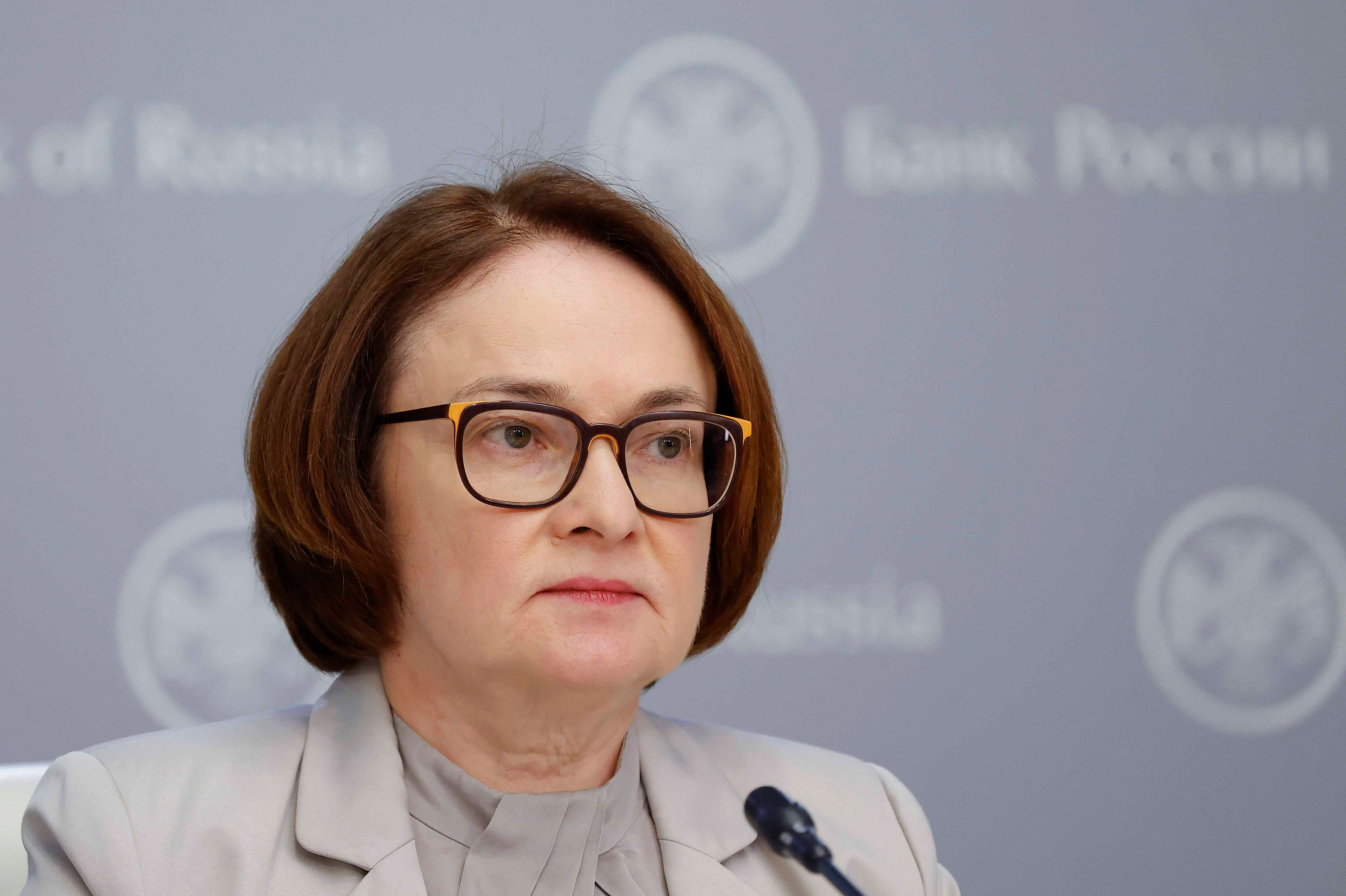
The scenario shifts when considering the Bank of Russia. Article 75 of the constitution, in Chapter 3, stipulates that the ruble is the national currency and that the Bank of Russia manages its emission and stability independently. However, most operational details, including those targeted by the KPRF’s program, are codified not in the constitution but in federal law No. 86-FZ “On the Central Bank of the Russian Federation.” Amending ordinary federal laws requires only a simple Duma majority, Federation Council approval, and the president's signature.
With 350 seats, the Duma could alter parameters such as the central bank's key rate mechanism, governance, and mandate—provided the Federation Council agrees. However, the president holds veto power; if the president withholds approval, overriding the veto requires a two-thirds majority in both chambers. If the president opposes, a Duma supermajority without corresponding support in the Federation Council cannot overcome this block, paralleling the limits seen with impeachment and constitutional amendments.
The Upper Chamber, Courts, and Constitutional Amendments
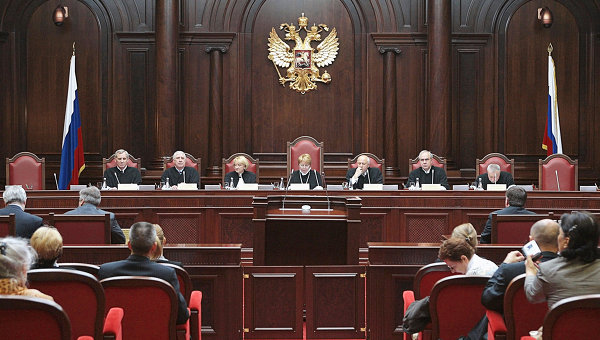
A Duma supermajority does not influence the Federation Council’s composition. Article 95, part 2, outlines that its members are selected by regional legislatures and governors, plus up to 30 directly appointed by the president, some for life. Former Russian presidents automatically become senators for life. These seats are unaffected by Duma election results—the chamber’s structure changes gradually, depending on regional and gubernatorial turnover and presidential appointments.
Regarding impeachment, Article 93 details a four-stage process: initiation by a two-thirds Duma vote, Supreme Court confirmation of a grave crime, Constitutional Court confirmation that the correct procedure was followed, and finally, a two-thirds vote in the Federation Council. The Duma alone can only clear the first hurdle.
To amend Chapters 3–8 of the Constitution—including presidential powers—requires two-thirds Duma and three-quarters Federation Council approval, plus ratification from at least two-thirds of Russia’s regions. Chapters 1, 2, and 9 require a Constitutional Assembly, which only a three-fifths combined vote of both chambers can convene, and any new text must pass a national referendum. These thresholds were deliberately crafted so that a single electoral landslide in the Duma cannot unilaterally overhaul the system or presidency.
Thus, while a powerful Duma majority confers significant bargaining leverage over the prime minister and certain legislation, the upper chamber, judiciary, constitutional amendment procedures, and mechanisms for removing the president remain insulated by design from the results of any single election cycle, a principle enshrined in the 2020 constitutional amendments.